❗The following overview contains SPOILERS for Hades. Reader discretion is advised.❗
Gaming is Hell. From the AI slop and asset flips that pollute low-bar eshops like (checks notes) Switch and PS5 to the ever-climbing dev cycles making 300 hour experiences that demand 100% of your time for the better part of a year. Gaming is Hell.
But sometimes it can be nirvana. In the case of Rock Band, literally.
I’ve never been a fan of -like as a game description. Shorthand can express a ton of information quickly, so it’s useful for conveying a description in an elevator. But it becomes useless as a descriptor in long form reviews or in marketing material. Metroidvania is -like’s granduncle and lost every ounce of meaning the moment it was uttered. What is a Metroidvania? Not Castlevania or Metroid. Castlevania 2 is closer to the modern ideal than the first. Metroid fits the bill, but so do dozens of games that preceded it. And today it’s diluted to the point of kind of meaning any platformer where you back track with upgraded abilities. Almost always 2D, despite Metroid stepping onto the Z axis with GameCube. What’s a Rogue-Like? Rogue certainly isn’t. The concept of dying being part of gameplay is such a minor building block to a complete game, making a genre out of it seems limiting and very, very stupid.
Cards on the table. I hate cards. But I also hate ‘Rogue-likes.’ That doesn’t mean I hate games with the mechanics associated with that shorthand. But I have yet to find a game which has made that phrase a central part of their release push that does much of anything for me. Super Mario Bros. gives you information which makes your next play go a bit further. Just because its buff is your own memory, why isn’t that a Rogue-Like? You must die to get the intel to improve your next run. See what I mean? The whole concept is meaningless due to oversaturation, wibbly-wobbly edges, and mostly, the reductive boxing-in of defining a genre around a single mechanic. I roll my eyes at the term being used in reveals. Or being spat out by denizens of camp GitGud. Or, most egregious of all, on the goddamned box text.
I bring up this annoyance because often - well more often than never, which is too many times - Hades discussions will include the incantation as a way to quickly signal those GG campers to perk up their ears, while the less coordinated, but often more story-hungry of us will tune out. Rogue-like almost had me sleeping on what turned into one of my favorite games of the past 10 years. I almost looked back and watched my love vanish from my vision into the depths of the Underworld. Liam Gallagher would have been so disappointed.
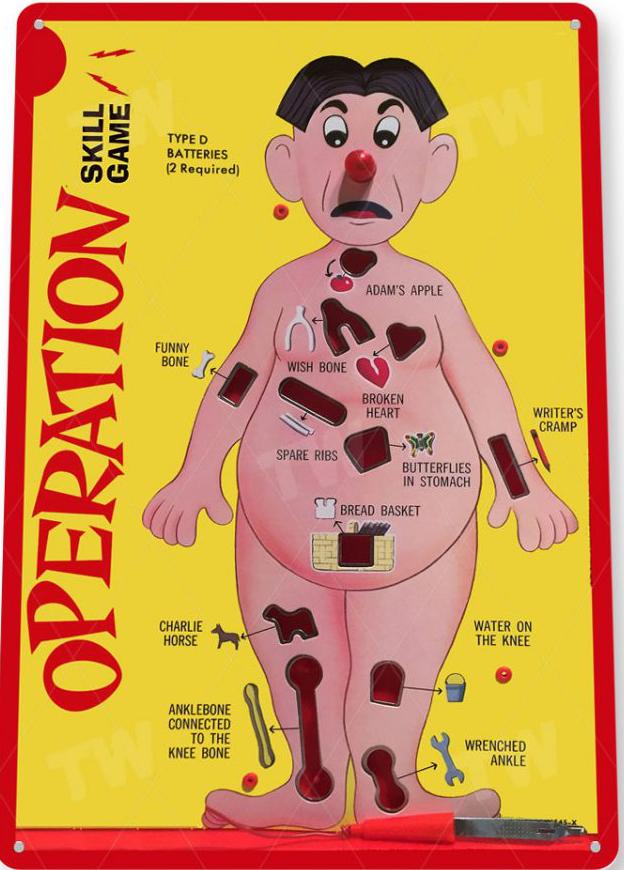
I’ve played a fair number of games carrying the stupid, connotative weight of Rogue-Like and have disliked them all in some fundamental way. At best, with a game like Rogue Legacy, it was an afternoon-waster that didn’t stain my soul, but that wasn’t about to live in my head any longer than it took to see a few level styles. At worst, it was Returnal or similar fare - games that turn progress into a burden because the fall is so far on death that you can’t enjoy the game. You’re watching every step. You’re meticulously scrubbing the entire room for health. You’re not taking any risks and trying to color inside the lines to the point it stops being a game and just becomes Operation Solitaire.
Hades is not that. What Hades is is a game deserving of more than a two word hyphenate. First and foremost, Hades is grounded in its own mythology. Which is Greek mythology by way of a very liberal license. In the best way, I must add. Hades follows Zagreus via the Gantzian theory of Zag’s - his friends call him Zag. It’s cool - lineage; being the child of Hades and Persephone. This diverges a tiny bit from his myth of being reborn after being Stretch Armstronged by some Titans having a bit of a play in the yard, but the bones remain. He desires to escape the Underworld his father has built for the souls of humanity and to join the gods on Olympus. To escape, he must traverse always-changing rooms of scaling difficulty, get random boons from gods and goddesses, and frequently give 1/3rd of a very good boy many, many pets.
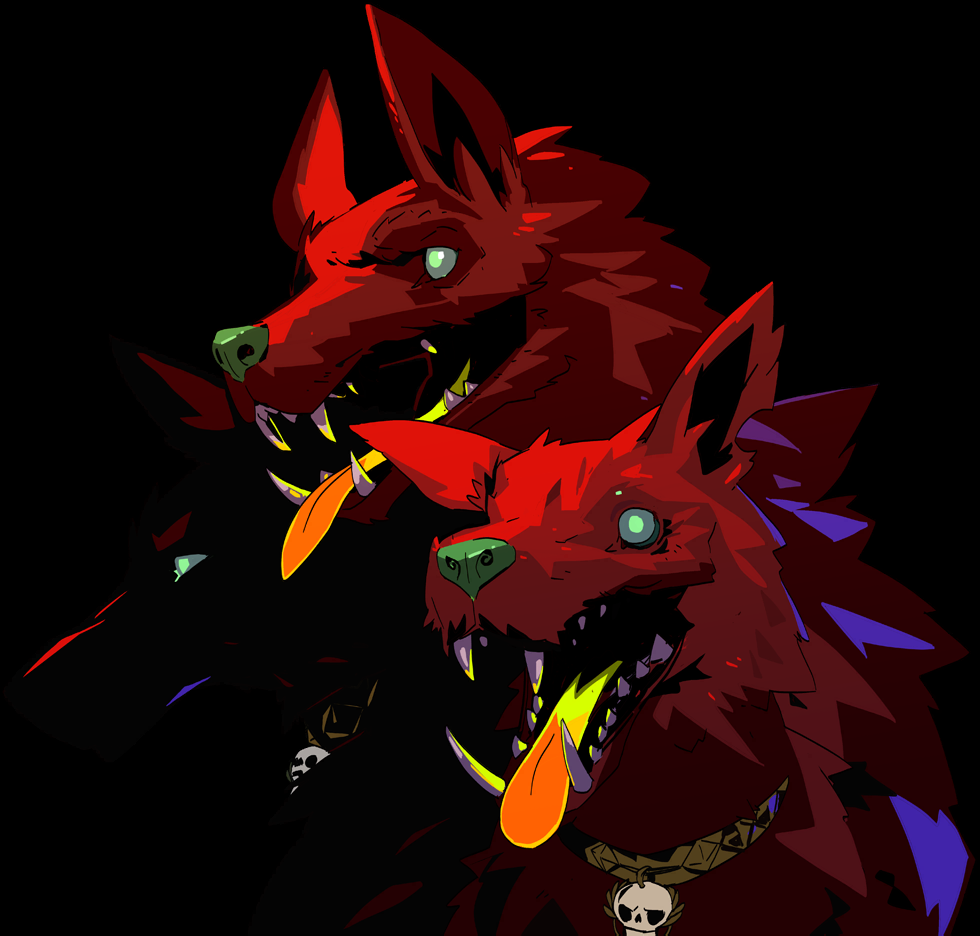
The mythology of Zagreus makes him a fantastic vessel for the gameplay mechanic and oxymoron of progressive death. He doesn’t die. Progress is achieved because death is, by his own myth’s telling, just a reset. Additionally, failure does not result in so massive a setback as to feel like lost time. Death (which is what we’ll call it, but not what it is) is progress. Every run gives you a little something. Longer runs become equally rewarding to succeed or to fail. Rooms nearly always contain some helpful item you can take with you after defeat, and as you make it through more rooms, the run becomes more and more valuable upon expiration. It feels like part of the game because it is part of the game, rather than being a harsh punishment. You are also rewarded with unique dialog and grounding story segments between runs, keeping you engaged. You have multiple collectable buckets that fuel multiple progression systems. Some can be used to power up the character. Some can be used to add more boons to the labyrinthine halls of the Underworld. Some are just trinkets or tokens you can give to characters to get additional permanent modifiers for future runs. The dialog is witty, impeccably acted, and very cohesive. There is a whole game upon which the mechanic of progressive death is hung, along side other equally rewarding mechanics. And that, as some poetist once penned, made all the difference.
Beyond the progression mechanics, the game is rich in playstyle choices. A number of weapons become available very quickly and allow for varied options for defeating the wandering horrors in the catacombs of the damned. Ranged, melee, bull in a china shop…whatever your preferred method of dispatching foes, you’re not too far off from unlocking a weapon that allows you to express your desire to re-kill the dead in your own way. The game does not lock you into classes - you can swap at any time. You can play your current mood and mix things up if the wind changes. You never feel stuck in a choice for very long and that makes the experience much more personal and rewarding.
The graphics are beautiful, hand-drawn, thoughtful representations of the core story. Every character is uniquely represented by their art. Yet they are all fully cohesive with every other. The game is unapologetically horny (complimentary). Gods are sex. They are manifestations of the ego interpreting the drives of the id. Hades makes that statement well, without making it gross or skeevy. The game has an absolute lust to it without being a brown paper bag Switch title where Honeys are Popped or Gals are Gunned.
The sound and music are absolute delights. Ambrosia in every word spoken. Thundering beats in time with your attacks give the game a rhythm, intended or otherwise, that really amplifies the experience. The satisfying sound of Zagreus’ dashes, slashes, bashes, and lobs are all tied so well to the animation that even as you’re playing it, the battles seem choreographed. The acting is, as mentioned, top tier. The entire audio experience is truly wonderful and utterly deserving of their many, many award nominations and wins. It’s a soundtrack you’ll want to pick up and put into rotation immediately.
Hades is not an exception to my rule of dismissing rogue-likes. It’s proof that the label bares almost no value in describing a game that has more depth than a teaspoon. To draw the breath to say it, you’ve already given yourself enough runway to accurately depict any game you’re about to besmirch. The jargon does not serve a purpose. It actively diminishes nearly any game to which it’s applied. The fact that Hades and Returnal can both be brought up in the category is enough to disprove it’s worth. But there’s no stuffing that Barbara Eden back into the Michelob tallboy. So, despite my hatred, my message is more for those of us who feel the label is off-putting. If someone voice-vomits that phrase about a new game, wipe it off your shoes and do a little research online before discounting it. While it’s true that usually you’ll find a cheese grater with the words ‘for genital use only’ etched on the side in shaking script at the end of the painbow, sometimes you may find your next favorite game.